








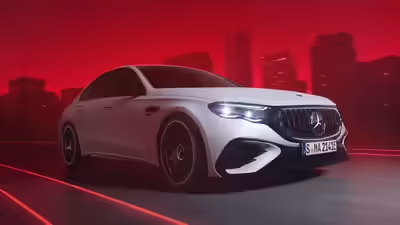
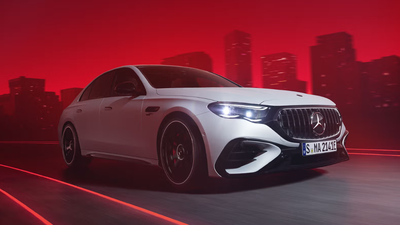
Mercedes-Benz India is all set to launch the new Mercedes-AMG E 53 PHEV in the Indian market tomorrow ie. July 23, 2026 Pre-orders are expected to begin immediately after launch, with shipments expected sometime this holiday season. The E 53 is back in India, returning as a plug-in hybrid sedan after its previous stint in the market as a convertible. In India, the new Mercedes-AMG E 53 Hybrid has no direct rival. In terms of pricing and positioning, the BMW M3 Competition and Audi RS5 Sportback are its closest alternatives. Prices are expected to start at Rs 2 crore (ex-showroom).
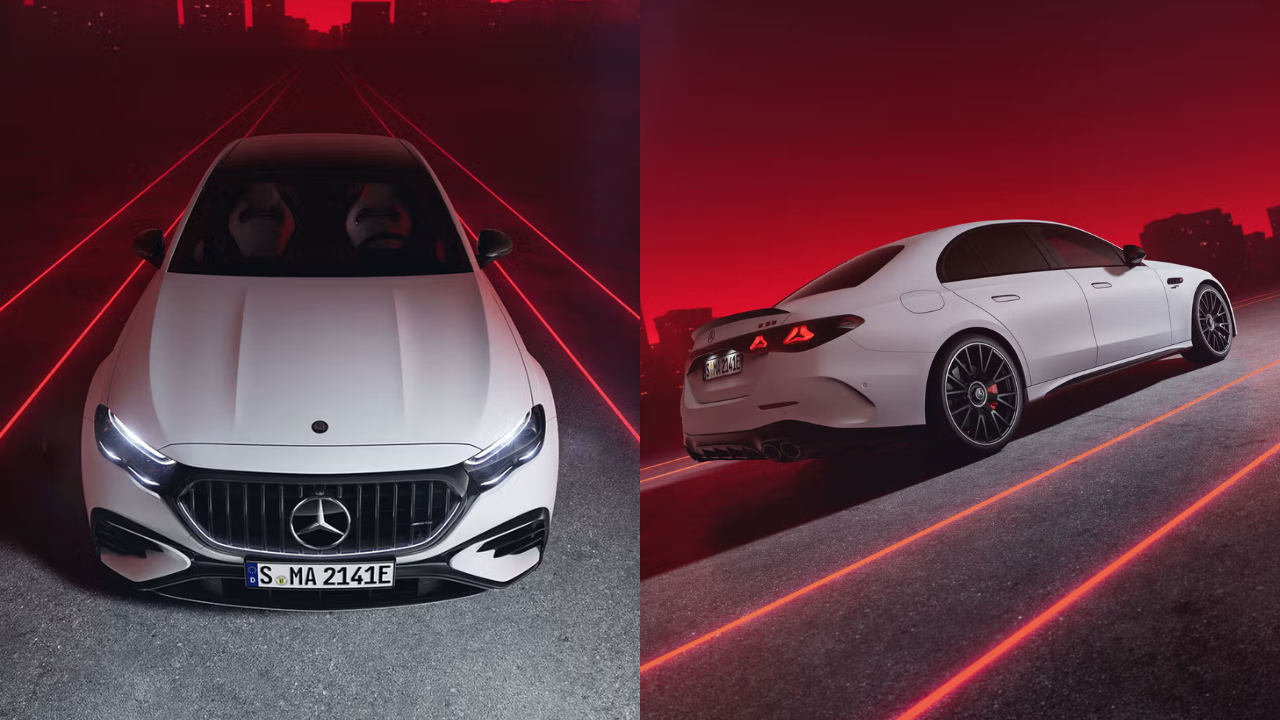
The new Mercedes-AMG E 53 PHEV is based on the latest E-Class. The AMG version features several AMG-exclusive design elements, which include an illuminated AMG grille, larger front air intakes, extended front wheel arches, AMG side skirts, a ducktail spoiler, a rear diffuser and four circular exhaust outlets. The optional AMG Dynamic Plus package adds red brake calipers and an AMG performance steering wheel wrapped in microfiber. Moving inside, the E 53 gets AMG sports seats with exclusive upholstery and red contrast stitching, an AMG steering wheel and model-specific MBUX screens. The dashboard features a 12.3-inch digital instrument cluster and a 14.4-inch central touchscreen. In international markets, the optional MBUX Superscreen adds a separate screen for the front passenger.When we talk about the power unit, the new Mercedes-AMG E 53 will be powered by a 3.0-liter, six-row turbo gasoline engine that develops 449 hp. The engine comes mated to an electric motor integrated into a 9-speed automatic gearbox, producing 163bhp, taking the combined output to 585bhp and 750Nm in standard form.The company will also offer an optional AMG Dynamic Plus package, which raises power to 612 hp with Race Start mode. The Mercedes-AMG E 53 accelerates from 0-100 km/h in 3.8 seconds and has a top speed of 280 km/h. It uses a usable 21.2kWh battery that offers an electric-only range of over 100km. The plug-in hybrid can operate in EV mode at speeds of up to 140 km/h. Charging is supported via an 11 kW AC charger, while international markets also offer a 60 kW DC fast charger, which can charge the battery from 10 to 80 percent in about 20 minutes.