







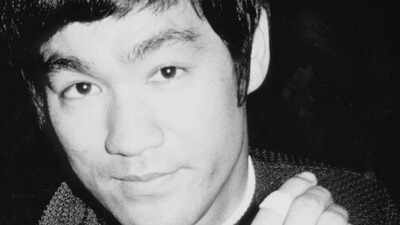
bruce lee He died on July 20, 1973, but 2026 is one of the most important years for his legacy in living memory. In February, the U.S. Postal Service issued him a commemorative stamp featuring his signature flying kick. The stamp was dedicated during a ceremony in Seattle, where USPS representative Ben Kuo described him as “not just an action movie star who could fight, but a philosopher who could think and a teacher who inspired millions,” according to the USPS Newsroom. According to the Associated Press, just three weeks ago, on July 1, California Governor Gavin Newsom signed a law officially designating May 17 as Bruce Lee Day, making him the first Chinese American in California history to receive an annual day of the same name. his daughter Shannon LiThe Bruce Lee Foundation CEO said the honor reflects her father’s enduring legacy as a bridge between cultures. Through all these tributes to what he achieved and who he was, a line he wrote privately in his journal, later published in his collected works, captures the essence of how he thought about achievement itself.The day’s quotes are as follows: “A goal is not always meant to be achieved; it is often just a goal.”
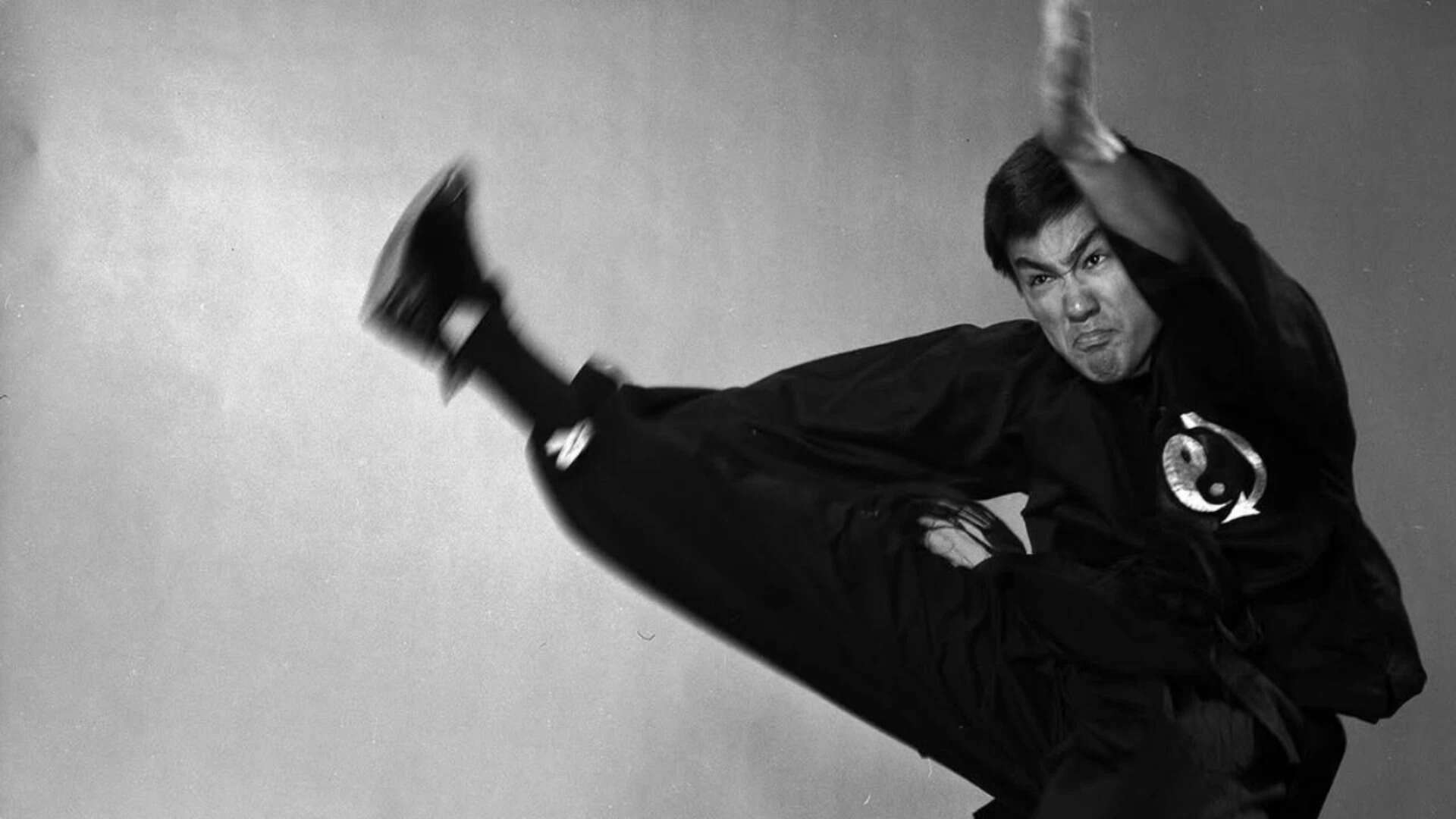
From martial arts master to timeless life lesson, Bruce Lee’s influence continues to shape athletes, artists and dreamers around the world. Image source (Instagram)
What does Bruce Lee mean by this sentence?
Bruce Lee wrote this reflection in his private Personal Liberation Diary; this quote is published in Compelling Thoughts: The Wisdom of Everyday Life by Bruce Lee on page 121. This is not an inspirational slogan designed for mass consumption. This is a private thought, written by a man who constantly questions his own assumptions about the nature of ambition, discipline and progress. It is one of the most quietly radical works he ever wrote.The traditional understanding of goals is transactional. You set it. You pursue it. You either reach your goal or you don’t. If you don’t, the goal will be viewed as a failure and the effort put into pursuing it will be retroactively reduced. This is the framework within which most people operate, and it comes with a special kind of anxiety: the constant pressure to achieve results, the feeling that the value of the work depends entirely on whether or not the destination is reached.
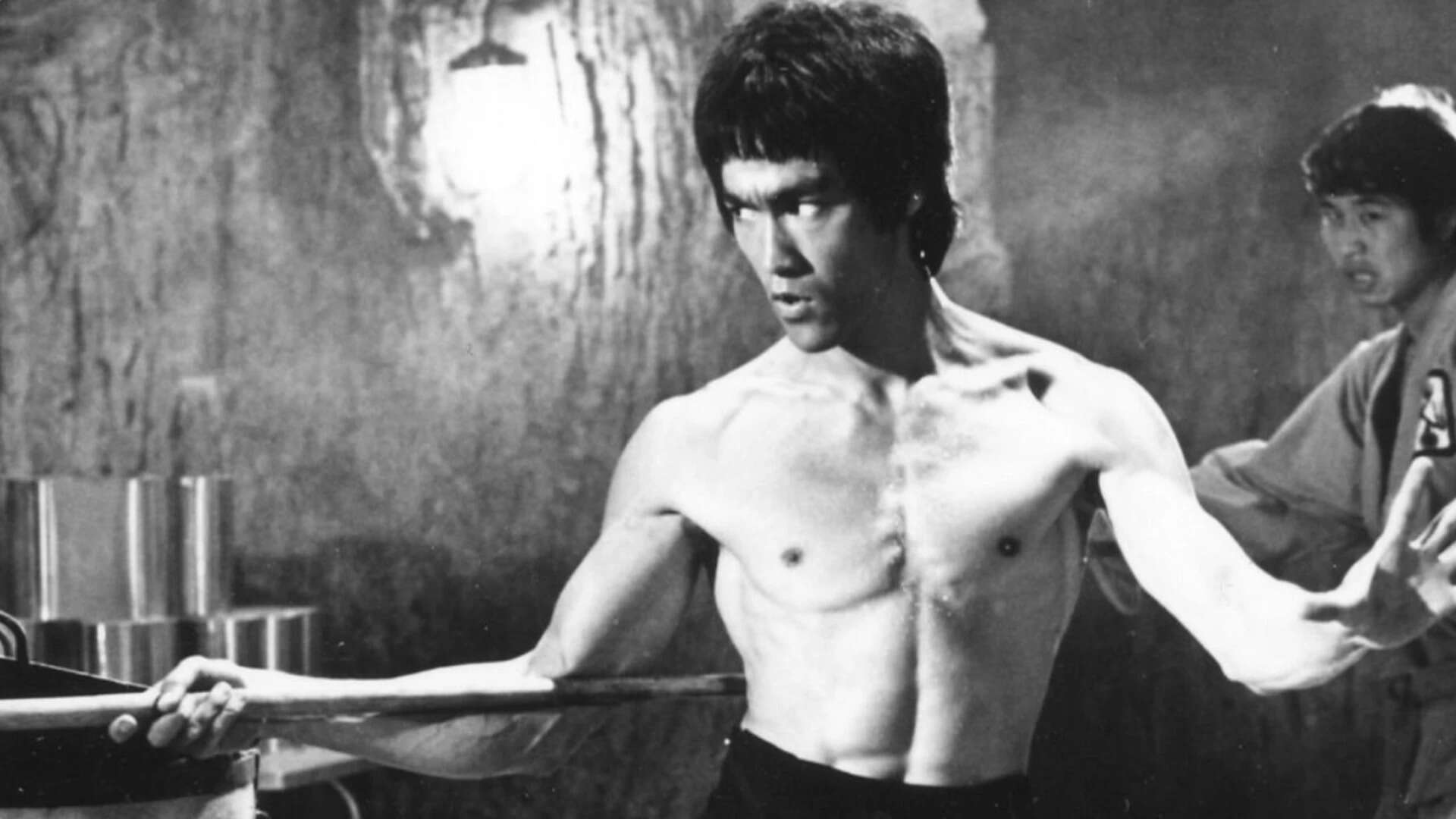
Bruce Lee’s reflections on purpose, discipline and perseverance remain as powerful today as his unforgettable performances on screen. Image source (Instagram)
Bruce Lee was completely dismantling this framework. He’s not saying goals aren’t important. He is saying that their importance does not lie where most people think it does. Goals are directions, not destinations. It organizes your energy, focuses your attention, and makes your efforts tangible. Without it, the work has no direction. But the goals themselves, the specific results proposed at the outset, are not necessarily the focus. From the perspective of skills, understanding, character, and abilities, the value generated by the pursuit may be much greater than the original goal.It’s a philosophy he grew out of his own practice. Bruce Lee trained with unprecedented intensity, developing a fighting system he called Jeet Kune Do, a martial art based on the principles of constant adaptation and rejection of fixed forms. His training was not about reaching a fixed end point. He is training to become something. The goal is the direction he points out for himself, and the results he pursues cannot be specified in advance. That’s exactly what this diary describes.
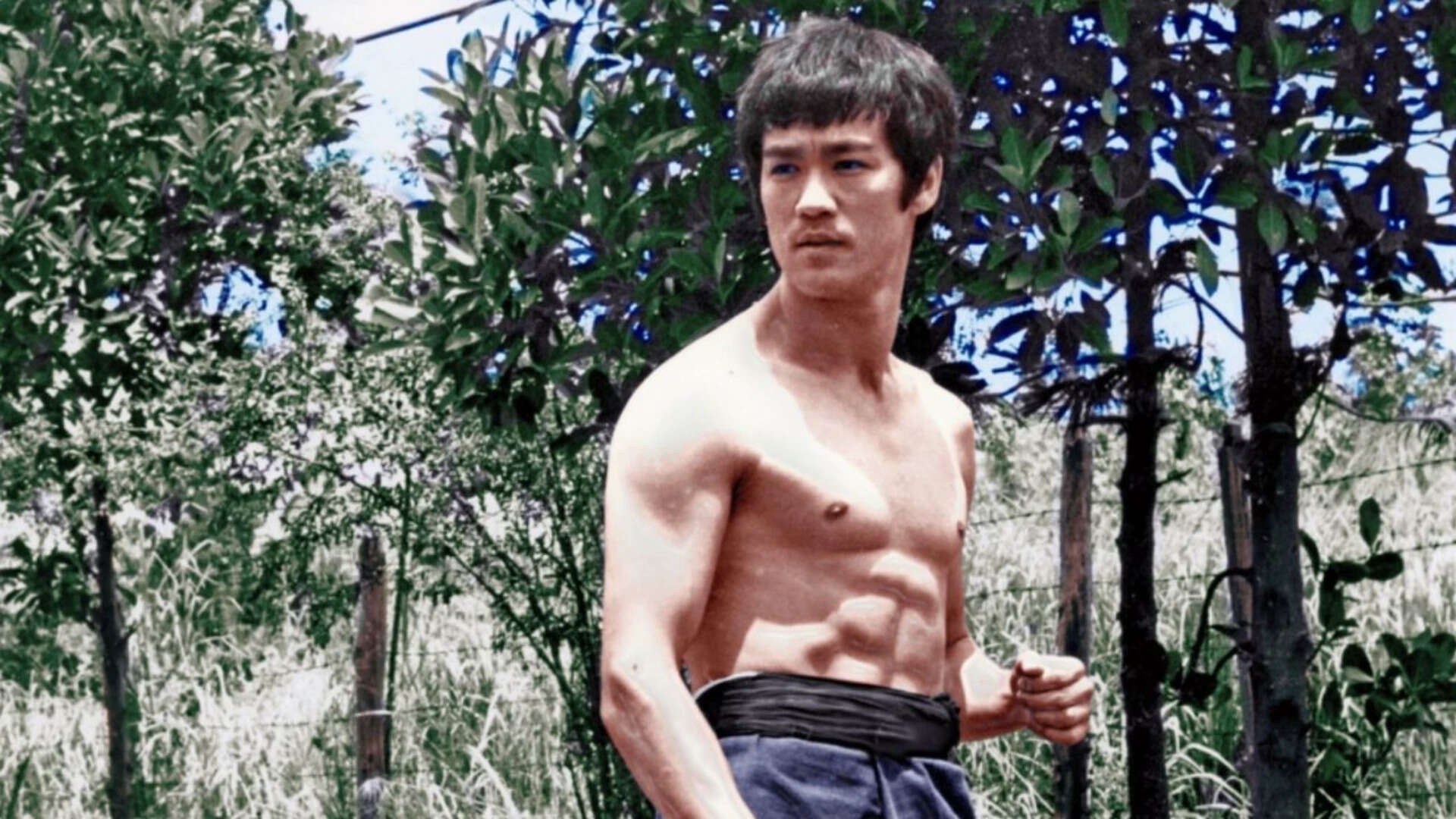
The U.S. Postal Service issues a commemorative stamp to celebrate Bruce Lee’s lasting impact, recognizing his legacy as a martial artist, philosopher and cultural icon. Image source (Instagram)
This statement also carries a level of compassion that is easily overlooked. It quietly says to those who do not achieve the goals they set that their efforts are not in vain. The goal itself is the point. Real things are built in pursuit, even if the original destination is never reached.
Bruce Lee’s early life
Bruce Lee, whose real name was Li Junfan, was born in San Francisco, California, USA on November 27, 1940. At that time, his parents were touring with a Cantonese opera troupe. According to IMDb, he grew up in Hong Kong. He began acting in Hong Kong films as a child and began studying Wing Chun under the tutelage of the legendary Ip Man at the age of thirteen. At the age of 18, he returned to San Francisco on May 17, 1959, a day now celebrated as Bruce Lee Day in California, and eventually settled in Seattle, where he studied philosophy at the University of Washington and began teaching martial arts.
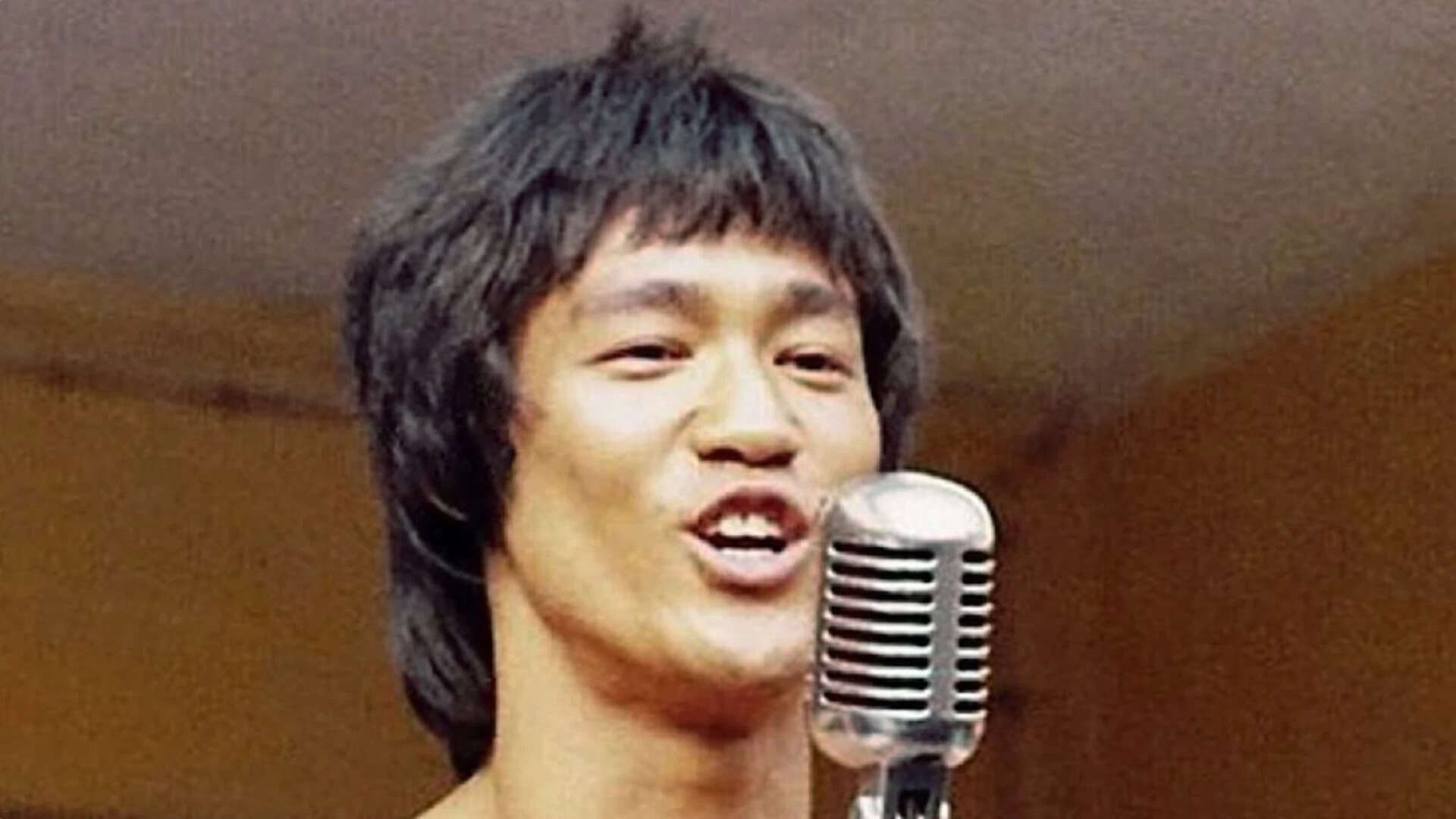
More than 50 years after Bruce Lee’s death, his words and achievements continue to influence people of different generations and cultures. Image source (Instagram)
He opened his first martial arts school in Seattle in 1959, followed by more in Oakland and Los Angeles, developing what would become his own martial arts philosophy, Jeet Kune Do, a system built on adaptability, directness and a rejection of strict stylistic restrictions. His breakthrough on American screens came in 1966 with the role of Kato in the TV series “The Green Hornet,” and it was his Hong Kong films “The Big Boss,” “Fist of Fury” and “Way of the Dragon” that made him a global superstar.
Bruce Lee: A legacy that never stops growing
His final film, “Enter the Dragon,” was released six days after his death on July 20, 1973, and became the highest-grossing martial arts film of all time, according to Warner Bros. at the time. Record. He was 32 years old. In the more than fifty years since, his influence has reached far beyond martial arts and film, shaping the way Asian men are represented on screen, inspiring generations of athletes, artists, philosophers and filmmakers, and establishing a body of ideas through his diaries, interviews and the teachings he left behind that continue to be read and applied in every discipline imaginable.“The reason martial arts became so popular in the Western world is because of him. The reason why every spy, every superhero in the movies is a martial artist is because of him. The reason why people’s perceptions of Asians have changed is because of him,” said Matt Haney, the author of the Bruce Lee Day proposal in California, according to NBC News. “A man who believed that goals were just for the sake of achieving them, through sustained goal actions, became one of the most extensive histories of goal achievement in the history of human achievement.”