









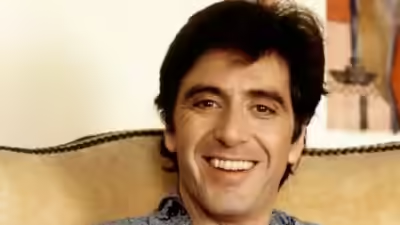
al pacino He will be 86 years old in April 2026, and the world continues to find new reasons to pay attention. He has spent more than fifty years defining screen acting, and in 2026 alone he had the world premiere of Killing Castro at Tribeca, in which he played CIA agent Robert Mathew, and received the Sam Wanamaker Award from the Shakespeare Globe in recognition of his lifelong contribution to theater and his enduring relationship with Shakespeare. In his acceptance speech, he said: “Throughout my life, theater has given me a sense of purpose and belonging that has guided me on this journey. During sixty years of public life, he was judged, praised, questioned and admired, but he never stopped working. That makes the lines he delivered thirty years ago, playing a politician defending the complexities of human life, more personal than anyone expected at the time.The day’s quotes are as follows: “Be careful how you judge others, especially friends. You can’t sum up a person’s life in a moment. There’s no cold answer, is there? There is no simple yes or no. Human life is not bricks, it is mortar, mortar, something in between, something you cannot see. “
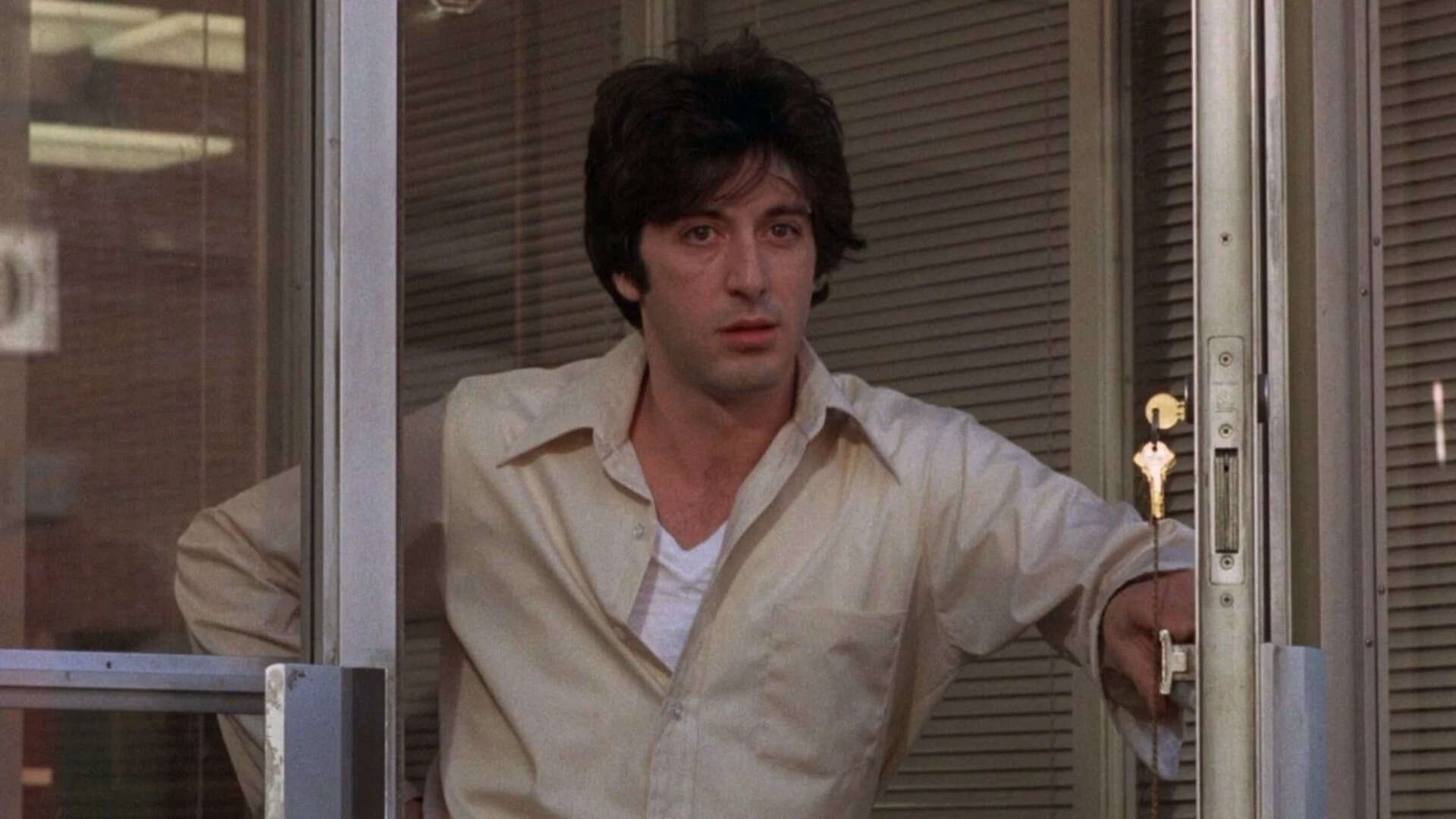
Through Mayor John Pappas, Pacino powerfully reminds us that true character is found in those unseen moments between life’s major events. Image source (Instagram)
What does Al mean? Pacino An offer?
Al Pacino uttered these words while playing Mayor John Pappas in Harold Becker’s 1996 political drama “City Hall.” The speech comes at a time of crisis, when someone close to the mayor is being harshly judged for an action, and Pappas fights back with a clear and quiet force, making the scene one of the most memorable in the film.The first directive, “Be careful how you judge others, especially your friends,” seems simple. This doesn’t mean don’t judge at all. That means you have to judge carefully. Slowly. Realize everything you don’t know. The reasons it picks its friends are important. It’s easy to suspend judgment toward strangers because you have no expectations of them. Expectations of friends can make their failure feel like a betrayal, when in reality it’s just a human moment that doesn’t define who they are any more than any other moment in the greater arc of their life that you actually witness.
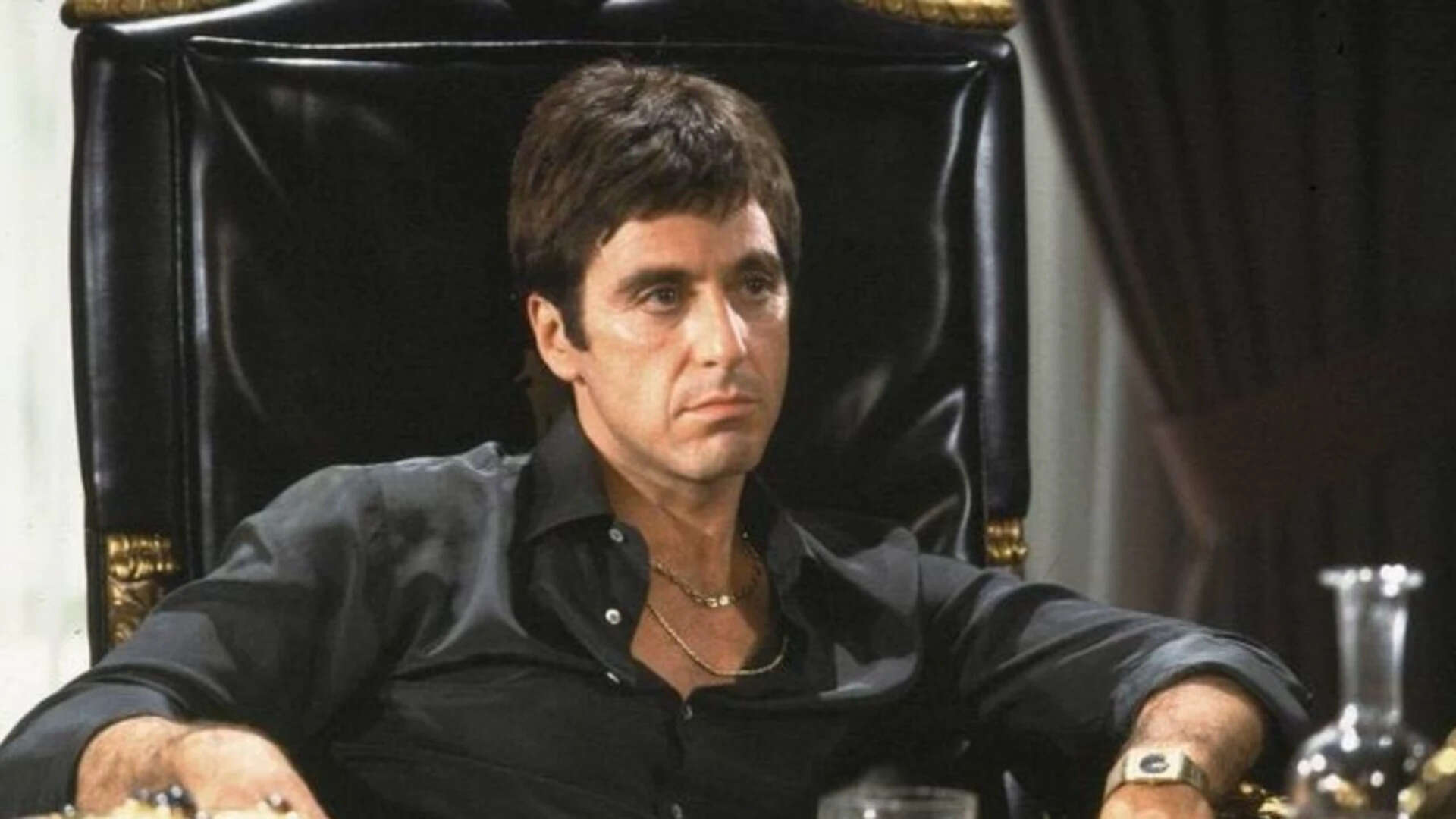
The Oscar-winner believes that often the most important parts of someone’s story are the parts that the world will never see. Image source (Instagram)
The second part is where the speech gets really profound. There are no cold answers. There is no simple yes or no. It’s an unusual thing for a politician, or anyone, to say something like that, and that’s part of what makes Pappas’ character so compelling. He rejected the language of his profession, the clean duality of judgment and ruling, and replaced it with something more honest and difficult. Human complexity is irreducible. It’s always been like this.The mortar line is the centerpiece of the speech. Human life is not a brick. This is mortar. something in between. Something you can’t see. Bricks are visible things, decisions, actions, moments of being recorded, remembered and judged. Mortar is everything else. Negotiate privately. Fear overcome, fear succumbed. Love given in a room where no one is watching. Failure is absorbed without ceremony. The accumulation of everyday quiet says nothing about who a person is, but without it the whole structure crumbles. This invisible substance is life. In essence, this is the part that judgment almost always ignores.
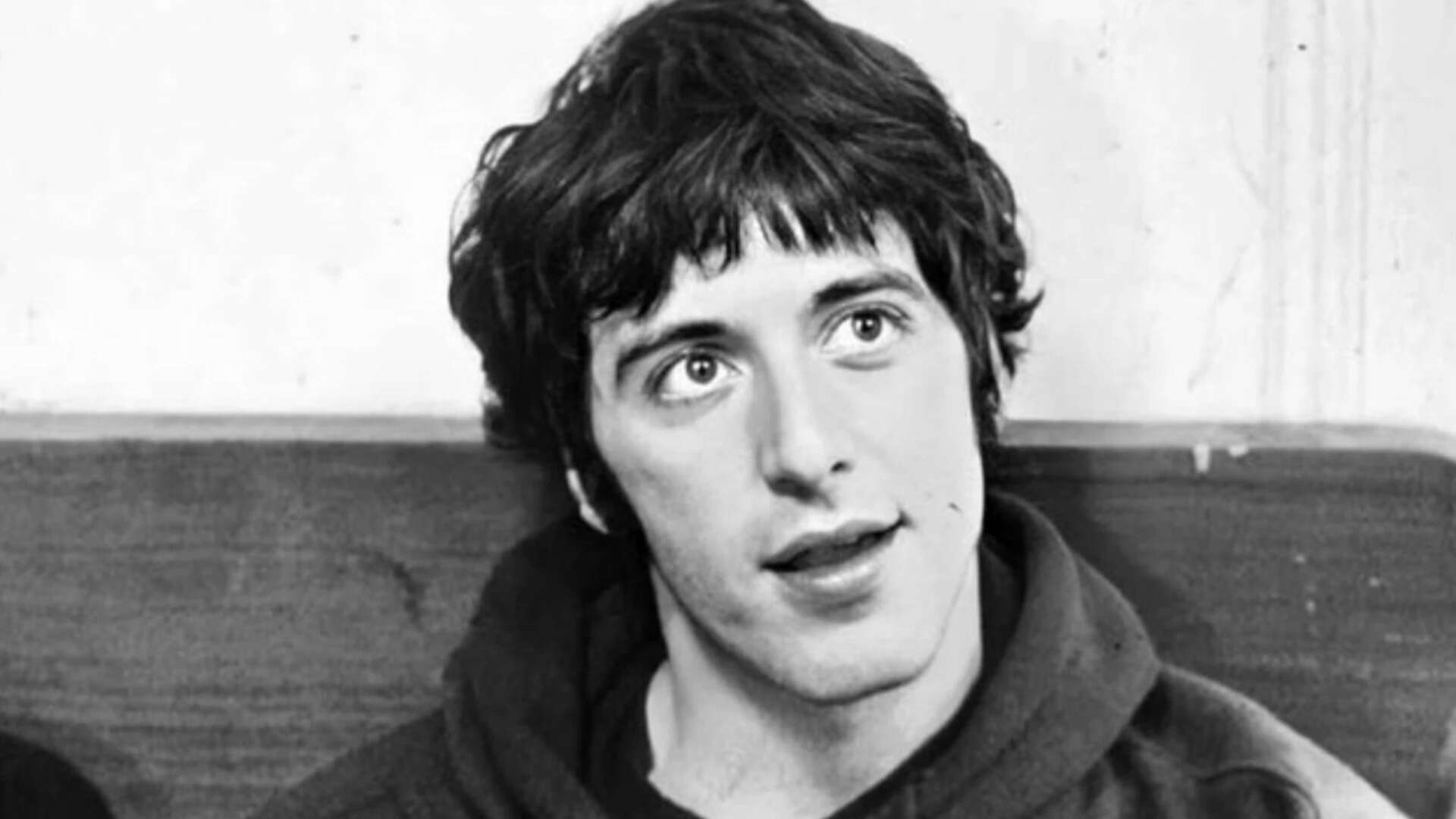
Over the decades, Pacino has built a remarkable career, continuing to inspire people through his reflections on empathy, friendship, and understanding. Image source (Instagram)
Al Pacino’s early life
According to IMDb, Alfredo James Pacino was born on April 25, 1940 in East Harlem, Manhattan, New York City, to Italian-American parents. His parents divorced when he was two years old, and he was raised by his mother and grandparents in the South Bronx. He grew up in an economically difficult but culturally rich environment. He describes himself as a child who was drawn to acting from the beginning, spending hours imitating characters and voices and finding a freedom in becoming someone else that he had not been able to achieve in his own life.He attended the New York High School for the Performing Arts, then dropped out and spent several years working odd jobs, including as an usher, postal clerk, and building administrator, while pursuing acting through any means available to him. He trained at HB Studios and later at the Actors Studio under Lee Strasberg, and his dedication to the methodological approach instilled in him became the foundation for everything he did next. His stage work in the late 1960s and early 1970s brought him significant attention, including his roles in “Indians Want the Bronx” and “Do Tigers Wear Ties?” “Performance in “. Off-Broadway and Broadway, respectively, which brought him to the attention of the film industry.
Al Pacino’s Career: From Michael Corleone To King Lear
He made his film debut in the feature film I, Natalie in 1969, and went on to play the game-changing Michael Corleone in 1972’s The Godfather, a role with such commanding intensity and moral complexity that, more than fifty years later, it remains one of the most studied and acclaimed characters in American film history. What follows is five years of work that is difficult to summarize simply. “Serpico”, “In the Heat of the Afternoon”, “Justice”, “Scarface”, “Sea of Love”, “Dick Tracy”, “Glengarry Glen Ross”, “Scent of a Woman”, for which he eventually won the 1993 Academy Award for Best Actor, “Heat”, “The Insider”, “Angels in America”, “America”, etc. He won Emmy Awards for “The Merchant of Venice” and “The Irishman.”‘He was nominated for an Academy Award nine times, won one, and won a Tony Award, an Emmy Award, and a BAFTA Award, making him one of the very few actors to complete the acting Triple Crown. He also has a son, Roman, who was born in June 2023, making him a father at the age of 83, E! reported. Earlier this year, he attended the premiere of his eldest daughter Julie Pacino’s film I Live Here Now with twins Anton and Olivia. information.
al pacino upcoming projects
Pacino’s slate is as thick as that of many three-year-old actors, with “Killing Castro” having a wide release date following its Tribeca premiere, “Billy Knight” set to hit theaters on August 21, 2026, and “Easy Waltz” directed by the “True Detective” creator. Nick Pizzolattoin post-production. and “King Lear,” in which he will play King Lear.