








In Christopher Nolan’s “The Odyssey,” mythical creatures known as the Rastragonians have been invading people’s minds. For viewers unfamiliar with these giants, they are asked where they come from in Greek mythology and how they differ from descriptions in ancient texts. The differences between Homer’s original poem and Nolan’s modern interpretation illustrate the interesting choices made when bringing these legendary monsters to the screen.According to Coming Soon Net, the Rastragons are believed to be descendants of Rastragon, one of the sons of Poseidon, and are a group of man-eating giants. This lineage connects them to the Cyclops through Poseidon, making them part of the wider family of monsters in Greek mythology. However, Nolan’s film version reveals little about the origins of these creatures, while Homer’s poem provides detailed insight into their true nature and characteristics.
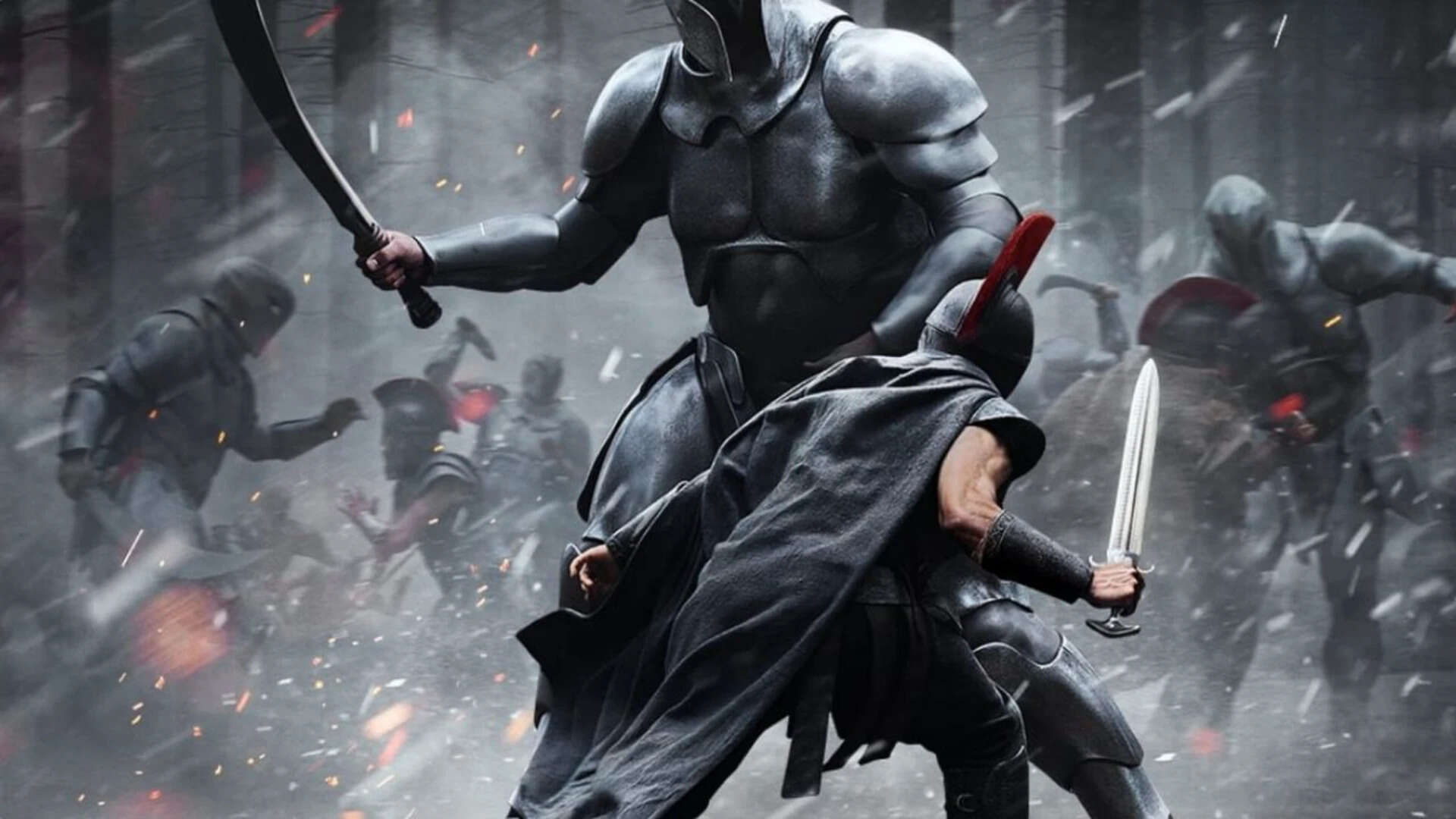
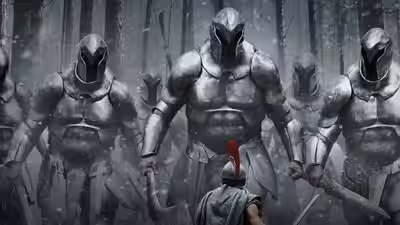
Homer’s poem describes the Rastragonians as mountain-sized cannibals, while movies depict them as powerful humanoid warriors. Image source (Instagram)
Homer’s The Rastragonians and Christopher Nolan’s Film Adaptation
In Nolan’s film, giants appear as tall, armored warriors whose size easily brings them into conflict with Odysseus and his crew. However, the original source material in Homer’s works describes them as “enormous as mountains,” painting them as even more terrifying and incomprehensible giant creatures. This shows that Nolan took considerable creative liberties in reimagining these characters for contemporary audiences, shrinking their size to make them look like humanoid warriors rather than incomprehensible Titans.These creatures lived in a city called Telepylos, ruled by King Antifat. In Homer’s original narrative, the Rastrigons are portrayed as truly terrifying entities, but Nolan’s adaptation presents them on a more manageable visual scale. This creative choice allowed the filmmakers to create a more traditional battle sequence while still maintaining the threat and danger these giants posed to Odysseus and his men.
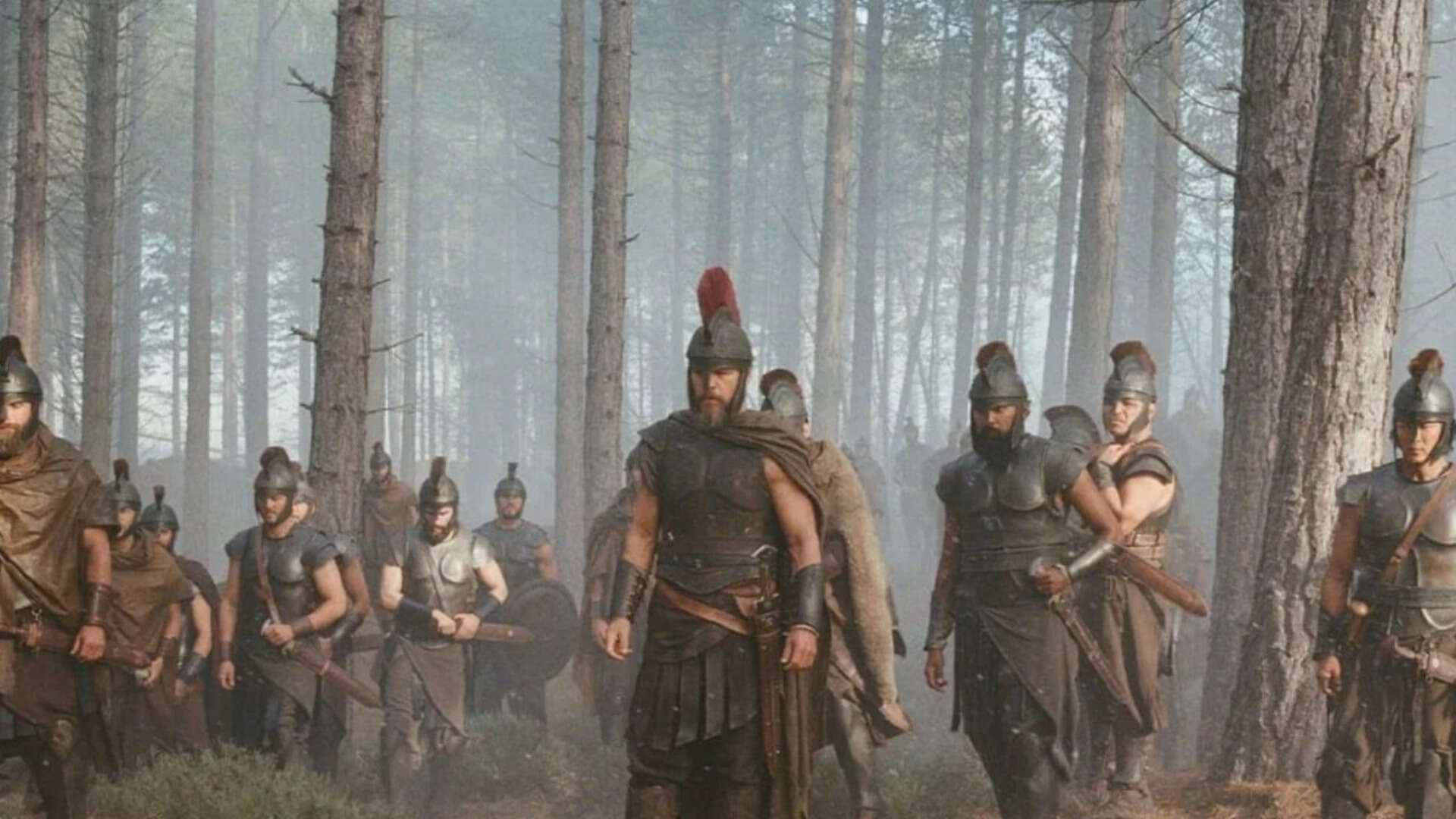
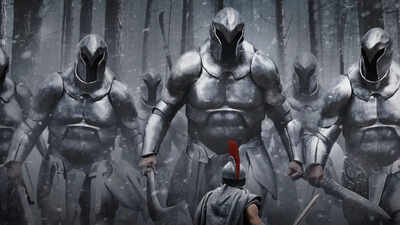
The giants destroy Odysseus’ ships, leaving only one ship to continue its perilous voyage. Image source (Instagram)
The encounter between Odysseus’ crew and the RastragoniansThe confrontation between Odysseus and his crew and the Rastragonians occurs after Odysseus escapes the Cyclops and before meeting the sorceress Circe. They arrived at the coast after completing the arduous journey cursed by Poseidon. As they explore the woods, they encounter a smiling child who appears to be somewhat unnatural in appearance as he is wearing armor and appears to be larger than normal.As he saw this unusual child, Eurylochus began to wonder what his parents’ offspring would look like if they were that old. The child immediately summoned his parents, triggering a violent conflict. The giant’s parents attack Odysseus’ men and then chase them back to the ship. They destroyed two of the ships, leaving only one for Odysseus to continue his journey home.