










TimesofIndia.com in Singapore: In the first game against Jublee School of Indonesia, in the last two quarters NBAAt the Rising Stars Invitational 2026 in Singapore, Velammal International School looks capable of competing. India’s only representative team passed the ball confidently and defended with focus for some time.Then the pressure comes. The pace quickens, the legs tire, and the gap gradually widens. When the final buzzer sounded, the score was 95-61.In their second game against South Korea’s Kyungbuk High School, one of the strongest school programs in Asia and the eventual winner, a relentless full-court press squeezed every possession. The passing lane disappeared. Turnover increases. Every defensive rebound quickly turned into another offensive possession.When the final buzzer sounded, Villamar lost 131-46.Head coach Shamsher Basha didn’t pay much attention to the score. Instead, he pointed directly at the problem. “Yes, endurance is an issue,” Basha told Timesofindia.com.His point guard, Fyodor Prem Athithan, noticed something more fundamental.“They pressed the whole court,” he said. “Back in India, there’s no full-court press, just zone defense. Here, there’s full-court pressure, so next time we should be able to handle it better and make the right plays.”

Image source: NBA Rising Star Invitational Tournament
Former NBA Academy India prospect Kushal Singh came to a similar conclusion.“We know other countries are better at basketball, so we have better competition,” he said.A similar situation unfolded over six days at the OCBC Arena in Singapore. Watch Japanese, Korean, Chinese and Australian schools play and the differences aren’t limited to height or athletic ability. Whether a team is holding a slim lead or comfortably ahead, the ball rarely stays still.
What’s the real difference?
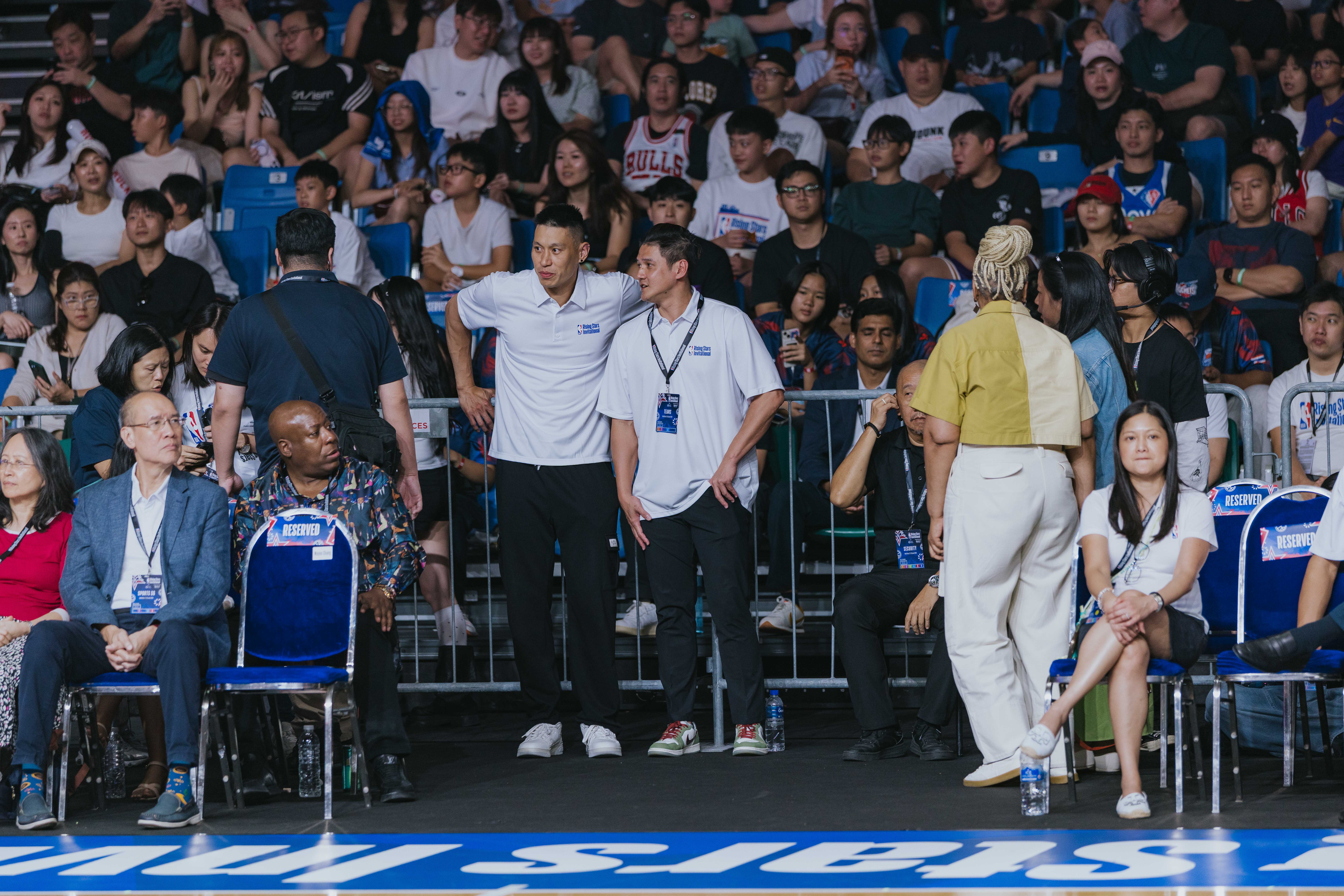
This gap is not just a gap in talent. This is an exposure.For NBA India head Sunny Malik, this is why events like the NBA Rising Stars Invitational become so important.“RSI is an amazing platform for high school players,” Malik told TimesofIndia.com.“It gives them the opportunity to compete against the best teams in Asia. It provides huge exposure and allows young players to see where they stand compared to the best teams in the region.“For the Indian team competing, I think it’s a great learning platform and an important step in helping them improve every year and eventually become regulars on the track.”

Sonny Malik (Photo source: NBA Rising Stars Invitational)
When asked specifically about India’s struggle with South Korea’s full-court press man-marking, Malik’s answer was exactly what Basha and Fyodor had already described.“I think more full-court scrimmages would be helpful. If you look at India, they were very good in the first and second quarters. But once the game got into the third quarter, they started to lose momentum and that’s when they lost momentum.“Longer training sessions, more competitive games, greater exposure to stronger teams and increased domestic competition in India will all help to help them maintain consistent competition at this level.”
Build missing pathways
For much of the past decade, the NBA’s grassroots activities in India have centered around one program — the Jr. NBA. It introduced thousands of children to the game, brought coaches into schools across the country and became the league’s largest grassroots initiative in India. But what happened next?For many young players, the path beyond school basketball is never clearly defined. Malik believes that is finally starting to change.“We have been running a youth NBA program for the past 13 years, and I believe it is a good platform for kids to be exposed to the right style of basketball and develop the right mentality to improve themselves,” he said.“But starting this year, we are working to expand the age group from under-14 to under-16. This gives us a broader player pool, creates greater competition and allows more players who advance through the under-14 program to go on to compete in the NBA under-16 division.“If they want to compete internationally, that extra exposure will help prepare them for the level of basketball required.”The change may seem incremental, but in reality it’s part of a larger shift in how the NBA views player development in India.As the second edition of the NBA Rising Stars Invitational wraps up, the league begins to stitch together a path that didn’t exist before.Players can now enter the system through Junior NBA and continue competing at the under-16 level, graduating to participate in the proposed NBA Rising Stars Invitational Qualifiers and, if successful, gain the opportunity to compete against the best school teams in Asia in the Rising Stars Invitational.Beyond this there is another possibility.“RSI qualifiers…are definitely a possibility,” Malik revealed.“We are happy to build around the RSI qualifiers as having the best teams advance through the tournament brings more energy and credibility to the final teams than having them go through nominations or selections by the Basketball Federation of India.”The NBA is working hard to create continuity, and the league’s goal is no longer just to expose kids to basketball. It attempts to ensure that talented young people remain in a competitive system as they age.
When exposure becomes an opportunity
Sheila Rasu, NBA’s head of marketing for Southeast Asia and Asia, said this path is already starting to yield real results across the region.Asked whether the Rising Stars Invitational could be a stepping stone to elite basketball, Rasu said: “I don’t think it’s something in the future.”“I think that’s already happened.”She mentioned that during last year’s game, scouts discovered five girls who were subsequently invited to participate in Basketball Without Borders, the NBA and FIBA’s global basketball development and community outreach program.

Sheila Rasu (Photo source: NBA Rising Stars Invitational)
“So that’s already happening. We have scouts attending every year and we’ve used this tournament as a platform to identify young, promising talent.”Rasu provided another example that perhaps best illustrates what the NBA hopes this game will eventually become.“Last year, South Korea’s Yongsan High School participated in the competition, and the team’s MVP subsequently signed a professional contract in the Korean Basketball League and has now entered the national team.“Daniel Eddy appeared at our event for the first time and then not only signed a professional contract but also represented his country. There will be more stories like this, and we hope to create more of them. “Edi was drafted by the Seoul SK Knights of the Korean Basketball League (KBL), becoming the first player in history to be drafted directly out of high school through the KBL’s local draft system. Earlier this year, he made his debut for the South Korean men’s national team during the second window of the 2027 FIBA Basketball World Cup Asian Qualifiers. Perhaps with the results above, the conversation surrounding college basketball, the pros and eventually the NBA will become a reality, and long-term thinking is why Malik insists the conversation shouldn’t revolve around one standout player.

NBA Rising Stars Invitational Tournament
Strengthening the Basketball Ecosystem
“I totally agree,” he said when asked about the importance of developing coaches with players.“The development of the ecosystem is as important as the development of players.“You need federations, associations and all the relevant stakeholders to come together and invest in coach development because that’s where the actual skills development starts. That’s where the real foundation is built.“This foundation has to be strong if we want to continue to produce quality players from India.”This is a philosophy shared by NBA operations in Asia. “The ecosystem is not just about players,” Rasu explains.“Of course, the most important thing is to help players improve their skills, but you also need to improve the overall level of the game. That means developing coaches, referees and exposing more young people to basketball.“Referee and coaching clinics help improve the overall standard of the basketball community, so as more games become available there is enough expertise within the ecosystem to support them.”The difference between India’s representatives and the continent’s leading school programs is rarely one of effort. Villamar fought hard for the ball and continued to play with energy even as the score drifted away.
NBA Rising Stars Invitational Tournament
Malik believes that strengthening domestic competition is equally important.“We also need greater competition at the national level. With some of the changes being planned across the country, including a new league being discussed, there may be more opportunities for Indians to connect with basketball and become more involved in the sport.”By the final day in Singapore, the competition had produced champions, individual awards and memorable performances.
more than one hero
For India’s only representative, however, the most valuable takeaways lie elsewhere. Coach Barsha talks about endurance. Fedor spoke of the pressure of facing a full media room that he rarely encounters at home. Kaushal spoke of how he finally understands where his team stands compared to the best teams in Asia.Malick connects these experiences to something larger.“I don’t think there’s just one thing that can bring big crowds to basketball games,” he said. “It has to be a combination of factors.“Having the right players to represent India on the global stage is certainly an important step. We celebrate the heroes of this country and we see that in cricket.“So having the right heroes, coupled with the right infrastructure and ecosystem, will help us develop generations of players. We need a system that continues to develop talent, not just one player who makes it to the global stage, but many players who advance on a regular basis.”
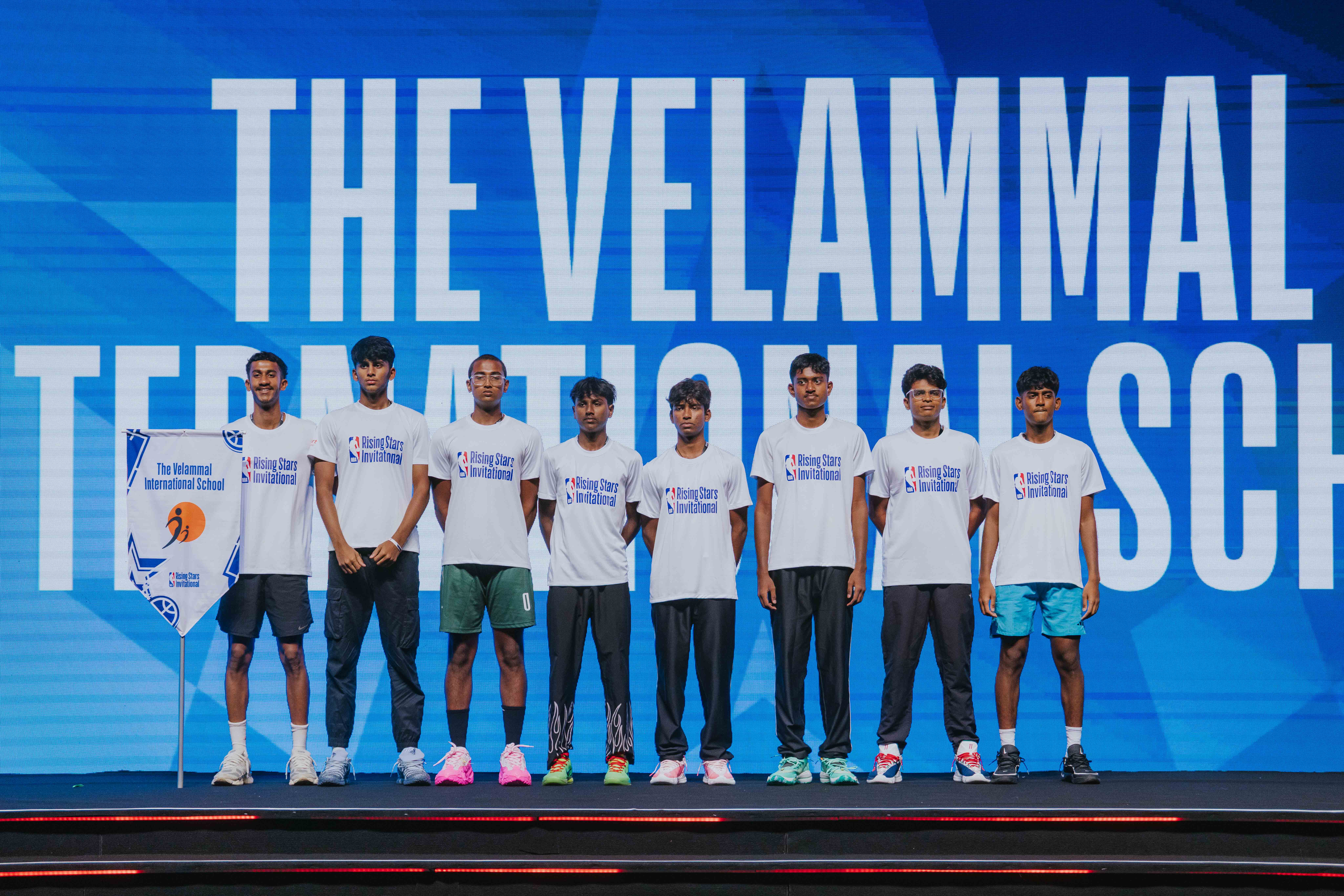
NBA’s India Basketball Roadmap (Image Source: NBA Rising Stars Invitational)